

The U.S. economy is currently experiencing a complex interplay of factors influencing its trajectory. Recent data indicates a modest growth rate, with the International Monetary Fund projecting a 2.4% increase in gross domestic product for the fourth quarter of this year. This growth is accompanied by a decline in unemployment rates, expected to reach 4.1% by year’s end.
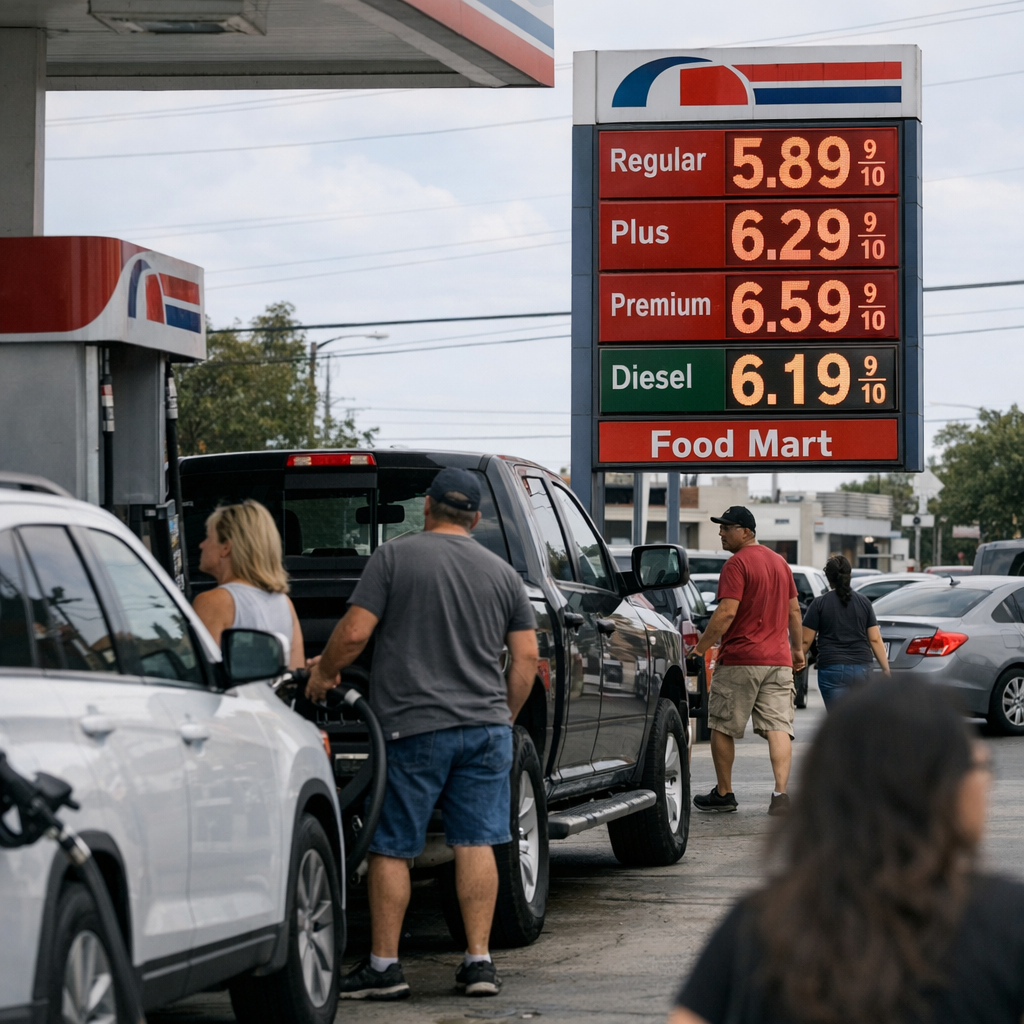
However, inflation remains a concern. April saw a rise to 3.8%, the highest in three years, driven in part by escalating energy costs. The military conflict with Iran, which began in February, has led to the closure of the Strait of Hormuz, a critical passage for global oil shipments. This disruption has caused national average gas prices to exceed $4.50 per gallon, with some states experiencing prices above $5.
Trade policies are also under scrutiny. The Supreme Court recently struck down broad tariff measures implemented by the administration, introducing uncertainty into the market. While intended to protect domestic industries, these tariffs have faced criticism for potentially exacerbating inflation and straining international relations.
In the political arena, public sentiment reflects these economic challenges. A recent CBS News/YouGov poll reveals that 70% of Americans feel “angry” or “frustrated” with the administration’s handling of the economy. This dissatisfaction could have significant implications for the upcoming midterm elections, as economic issues often play a pivotal role in voter decision-making.
As residents of St. Michael, Minnesota, it’s essential to stay informed about these national developments, as they can have local repercussions. From fluctuating gas prices affecting daily commutes to broader economic policies influencing job markets, understanding the broader economic landscape helps us navigate our community’s future.