

I moved to St. Michael for that “small-town feel” — lakes, open spaces, great schools yet close enough to commute into the Twin Cities. But like many newer neighbors, I’m seeing how our town is changing — and not all of it easy to navigate. As St. Michael continues to grow, there’s a tension between keeping what we treasure and adjusting to what we need. Below are three fronts where I see the biggest crossroads.
1. Housing: Balancing Affordability With Local Flavor
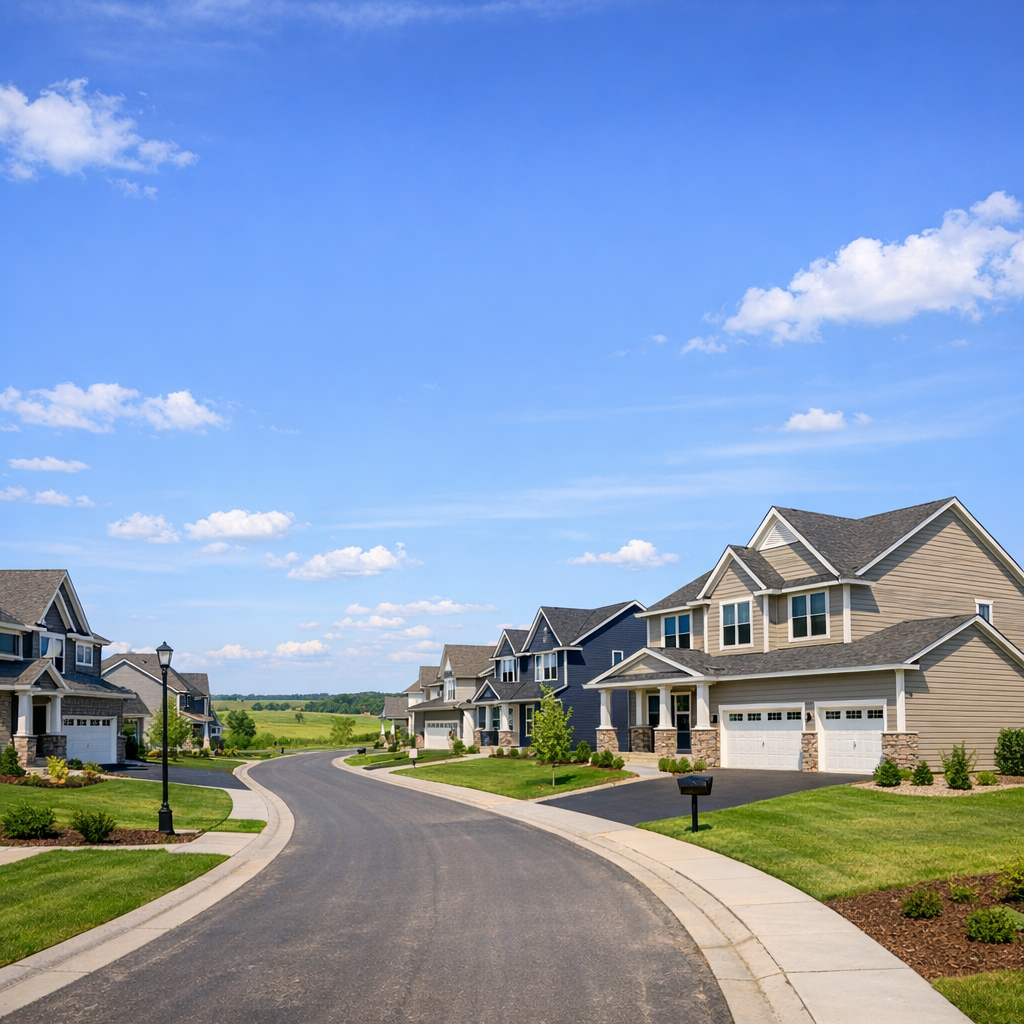
New developments are springing up across former farmland. For instance, there’s a proposed subdivision with 364 single-family homes on an agricultural field, signaling demand for affordable, family-friendly housing. But growth brings concerns. How much should we allow density, multi-family units, or “missing middle” housing before our streets look and feel more like the suburbs just outside the city?
Many of us support change in principle — more housing helps younger families, keeps families in town even as their jobs change, and keeps housing costs from rising too fast. But we also don’t want to lose the green space, trees, or open skies that first drew so many of us here.
2. Schools and Infrastructure: Growing Up Means Building Out
St. Michael-Albertville schools are widely praised. Test scores, facilities, and programs draw people here. Yet with population growth, classrooms are fuller, levies harder to pass, and needed infrastructure (roads, sewers, parks) often lag behind development.
We need to be ready to invest ahead of demand. That might mean anticipating where school capacity will be pushed, or ensuring that road and utility extensions happen in tandem with new subdivisions. Deferred infrastructure means higher long-term costs and people waiting too long for basics like safe roads and reliable utilities.
3. Keeping Community Character: What Makes St. Michael Feel Like Home?
Community isn’t just houses and roads. It’s the church steeples, the boutique shops, the preserved woods and lakes, and even places like Millside Tavern—spots where history and daily life intersect. These landmarks give our city a soul.
Yet as more houses go in, commercial plazas expand, and traffic increases, the risk is losing small details: walkable spaces, local festivals, community rituals. It’s tempting to let more “cookie cutter” housing or big box offerings fill in gaps. But I believe thoughtful planning—zoning design careful about setbacks and landscaping, preserving open space corridors, supporting local businesses—can keep St. Michael’s character intact even as we grow.
What We Can Do Together
- Engage in planning meetings, read up on the Comprehensive Plan, and voice what you love about where you live.
- Elect city council and school board members who see value in balanced growth: maintaining character and responding to practical needs.
- Support infrastructure and school funding initiatives, recognizing they’re not just costs—they’re investments in quality of life.
- Celebrate and preserve what’s unique: old farmhouses, local eateries, parks where kids can run free without traffic noise.
St. Michael is on course for real opportunity. Let’s make sure our future is shaped by the people who live here—not just the rooftops or roadways. Because what we do now will define our town for decades.